
What Roof Underlayment Does in a Florida Roof Replacement
Underlayment is not a decorative add-on. It is part of the roof’s water-control strategy and must be compatible with the selected system and current requirements.

Where underlayment sits in the assembly
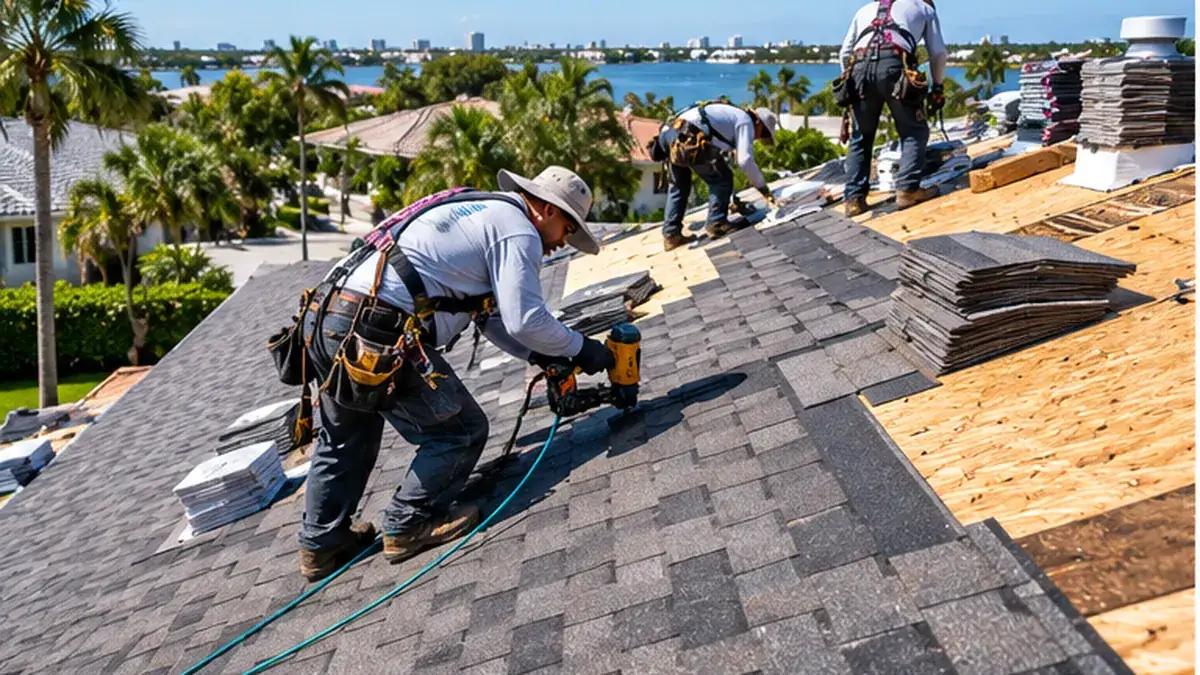
It is installed over the roof deck and below the finished roof covering. Valleys, penetrations, flashing and edges still need their own correct details; underlayment does not replace them.
Why tile roofs make underlayment easy to overlook
Tile can remain visually attractive while the waterproofing layer beneath it ages. During a tile reroof, the condition and specification of the underlayment deserve the same attention as the new tile.
Peel-and-stick versus other systems
Different underlayments have different installation requirements, substrates, fastening or adhesion methods and compatibility rules. The product should be selected as part of the approved roof assembly rather than by one marketing feature.
What to ask in a reroof proposal
Ask for the product name, installation method, deck preparation, flashing interaction, warranty terms and how the underlayment fits the complete roof system.
Frequently asked questions
Does underlayment stop every leak?
No. Water can enter through poor flashing, penetrations, edges or installation defects. Underlayment is one layer in the system.
Can old underlayment stay under a new roof?
That depends on reroof method, code, manufacturer requirements and existing condition. It must be evaluated for the specific project.
Is peel-and-stick always required?
Requirements vary by roof system, jurisdiction and current code. Confirm the approved specification for the property.
 Tile replacement
 Permit guide
 Inspection